Food & terroir · Provence
Traditional Provençal dishes to know: the essential specialities of the South
9 min read
En bref
Provençal cuisine is sunshine on a plate: olive oil, garrigue herbs, sun-ripened vegetables and Mediterranean fish. From apéritif tapenade to slow-cooked daube, ratatouille to Aix calissons, this guide reviews the great Provençal specialities, their history and seasonality — and helps you tell truly homemade cooking from an industrial version at a restaurant.
The spirit of the South
What really defines Provençal cuisine?
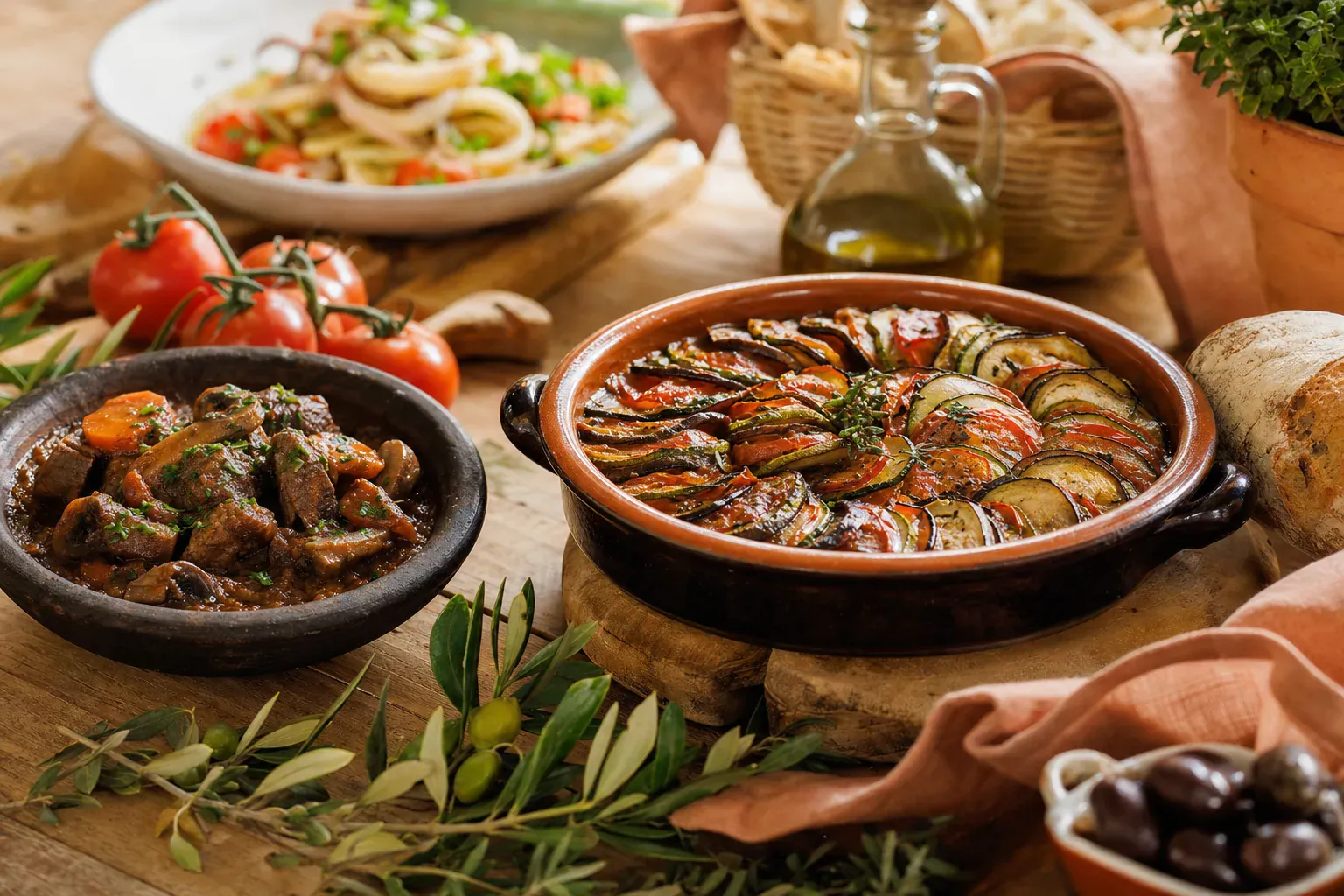
More than a set of recipes, Provençal cooking is a climate put on a plate: olive oil instead of butter, garlic, tomato and garden vegetables rather than heavy sauces. Long a modest, thrifty cuisine, its flavour comes from the produce itself.
Its second signature is Mediterranean, in dialogue with Liguria and Italy — basil, salt cod, stuffed vegetables and a shared love of fresh herbs and simplicity done well.
It is never fixed: it follows the market and the seasons and varies from village to village. There are as many daube or ratatouille recipes as there are grandmothers.
To open the meal
Starters and the Provençal apéritif
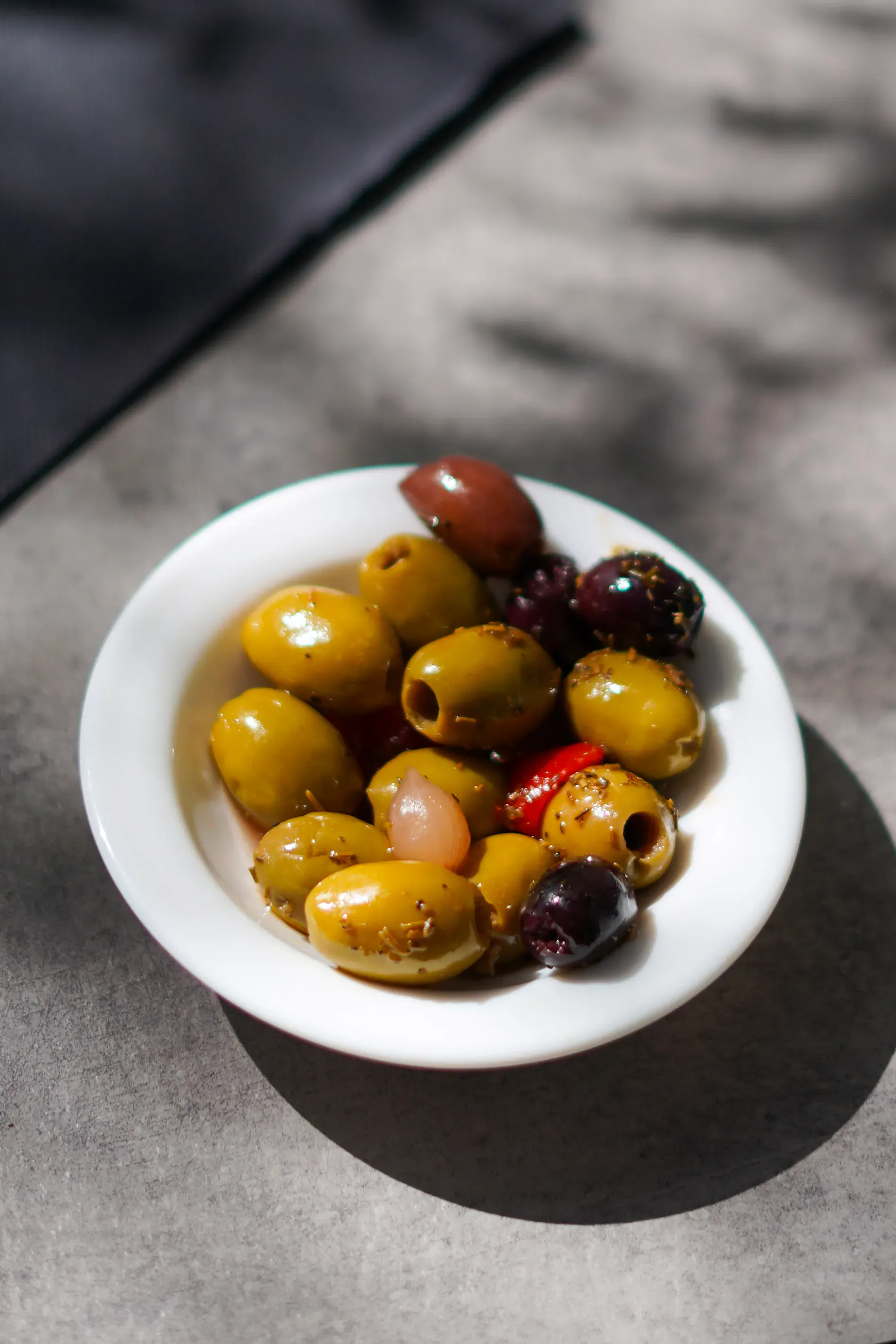
In Provence the meal begins outdoors, in the shade, with small things to share: olives, a cold drink, and already the essence of southern cooking is there.
Simple, generous bites meant for the middle of the table. The classics to know:
Tapenade — A spread of olives, capers, anchovies and olive oil on toast.
Anchoïade — A powerful warm anchovy-and-garlic sauce for dipping crudités and bread.
Pissaladière — A Niçoise tart of slow-cooked onions, anchovies and olives.
Panisses — Pan-fried chickpea-flour cakes, crisp outside and soft within.
The heart of the table
The iconic main dishes
After the apéritif, Provence brings out its great dishes — often slow-cooked, made to share. Four deserve a closer look.
Provençal daube
Beef marinated in red wine with carrots, garlic, orange zest and herbs, then slow-cooked for hours until meltingly tender. Served with fresh pasta or potatoes, it is even better reheated the next day.
Daube or bœuf bourguignon: what's the difference?
Both are red-wine beef stews, but the daube is southern — olive oil, orange zest, garrigue herbs and sometimes a touch of tomato — while the bourguignon relies on butter, bacon, mushrooms and Burgundy wine. One is fragrant and sunny, the other rich and woodland.
Petits farcis
Tomatoes, courgettes, onions and peppers hollowed out and filled with meat, breadcrumbs and herbs. Born of using up leftovers, they are the convivial summer dish par excellence.
Ratatouille, cooked properly
The secret is not to throw everything into one pot but to cook each vegetable — aubergine, courgette, pepper, onion, tomato — separately, then bring them together gently so each keeps its character.
Served warm, cold or the next day on toast, real ratatouille takes time and never shortcuts — a reliable test of homemade cooking.
Fish and bouillabaisse: what to know
Bouillabaisse began in Marseille as the fishermen's soup of unsold rockfish. The real recipe gathers several fish, a saffron broth and rouille, and is served in two stages: the broth first, then the fish.
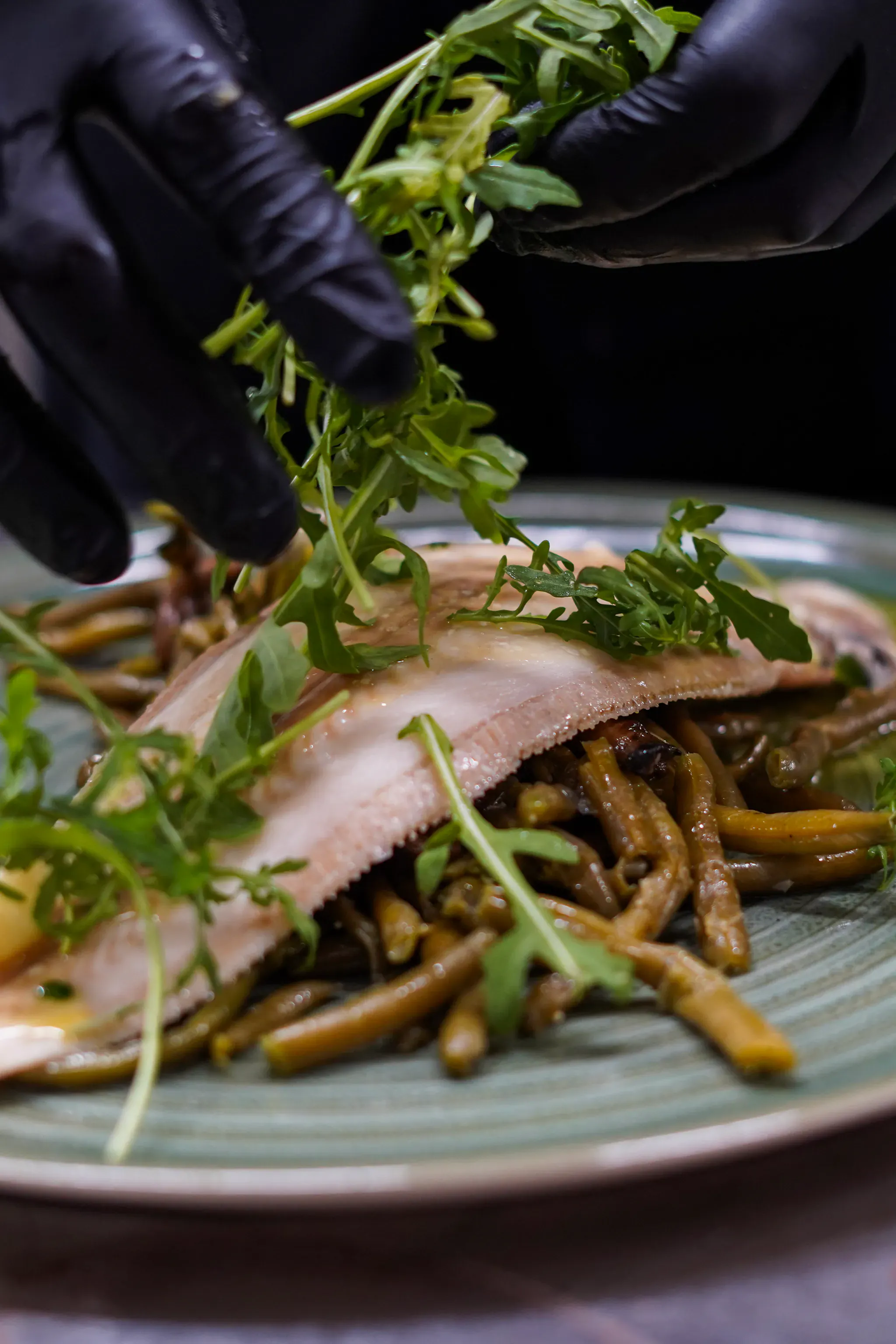
Beyond it, sea cooking means grilled sea bass with fennel, fish soup, or fillets simply seared with lemon and olive oil — freshness above all.
The DNA of flavour
Herbs, olive oil and terroir: the DNA of southern cooking
Three things sum up Provençal cooking: olive oil, herbs and the vegetable. Olive oil is the reference fat — it binds ratatouille, coats tapenade and lifts a simple grilled fish.
Then come the garrigue herbs — thyme, rosemary, savory, bay, basil — with garlic, tomato, fennel, courgette, aubergine and goat's cheese. The true Provençal taste comes from fresh, well-timed produce.
The gourmet calendar
Which dishes by season?
Provençal cooking only makes sense with the seasons: the market sets the menu.
Spring
Violet artichokes barigoule, asparagus, first broad beans and peas.
Summer
Ratatouille, petits farcis, tomatoes, salads and grilled fish.
Autumn
Daube returns, with squash, chestnuts and mushrooms.
Winter
Comforting soups, salt cod, Friday aïoli and the thirteen Christmas desserts.
The sweet note
Provençal desserts
Provence also ends sweetly, with treats tied to cities, feasts and traditions.
Calissons of Aix
Almond and candied-melon sweets on a wafer, white-glazed — the sweet emblem of Aix.
Navettes of Marseille
Boat-shaped orange-blossom biscuits linked to Candlemas and the Old Port.
The thirteen desserts
A Christmas tradition: thirteen treats shared after the meal, echoing the Last Supper.
Where do the thirteen desserts come from?
Served on Christmas Eve, they symbolise Christ and the twelve apostles. They usually include the 'four beggars' (walnuts, figs, almonds, raisins), the two nougats, olive-oil fougasse and fresh fruit — a sharing ritual more than a fixed recipe.
The real thing
Homemade vs industrial: how to spot real Provençal cooking
The word 'Provençal' is on many menus; the cooking has to be earned. A few simple clues separate a truly homemade plate from a reheated one.
Clues on the plate and the menu
A short, changing menu with daily specials is a good sign — you can't make everything fresh from a hundred references. On the plate, look for honest irregularity: vegetables each cooked their own way, a naturally reduced sauce, flaking fish. Uniform textures and glossy, over-smooth sauces often reveal the industrial.
Good signals
- A short menu that changes with the seasons
- A clear 'fait maison' claim and daily specials
- Vegetables and sauce with a lively, irregular texture
- A normal wait: a slow-cooked dish never arrives in three minutes
The role of seasonality and the market
Seasonality is the best lie detector. Ratatouille in midwinter should raise suspicion: real Provençal cooking follows the market and refuses out-of-season produce. A restaurant that adapts its menu through the year is quietly telling you it cooks for real.
Sitting down to eat
Where to taste these homemade specialities in the West Marseille basin
Between Marseille, Aix and the Étang de Berre, the West Marseille basin is ideal for tasting Provence, with markets, olive growers and family tables guided by produce and season.
To find the good tables of the area, our guide to the best restaurants in Vitrolles reviews where to eat well, from a quick lunch to a lingering meal.
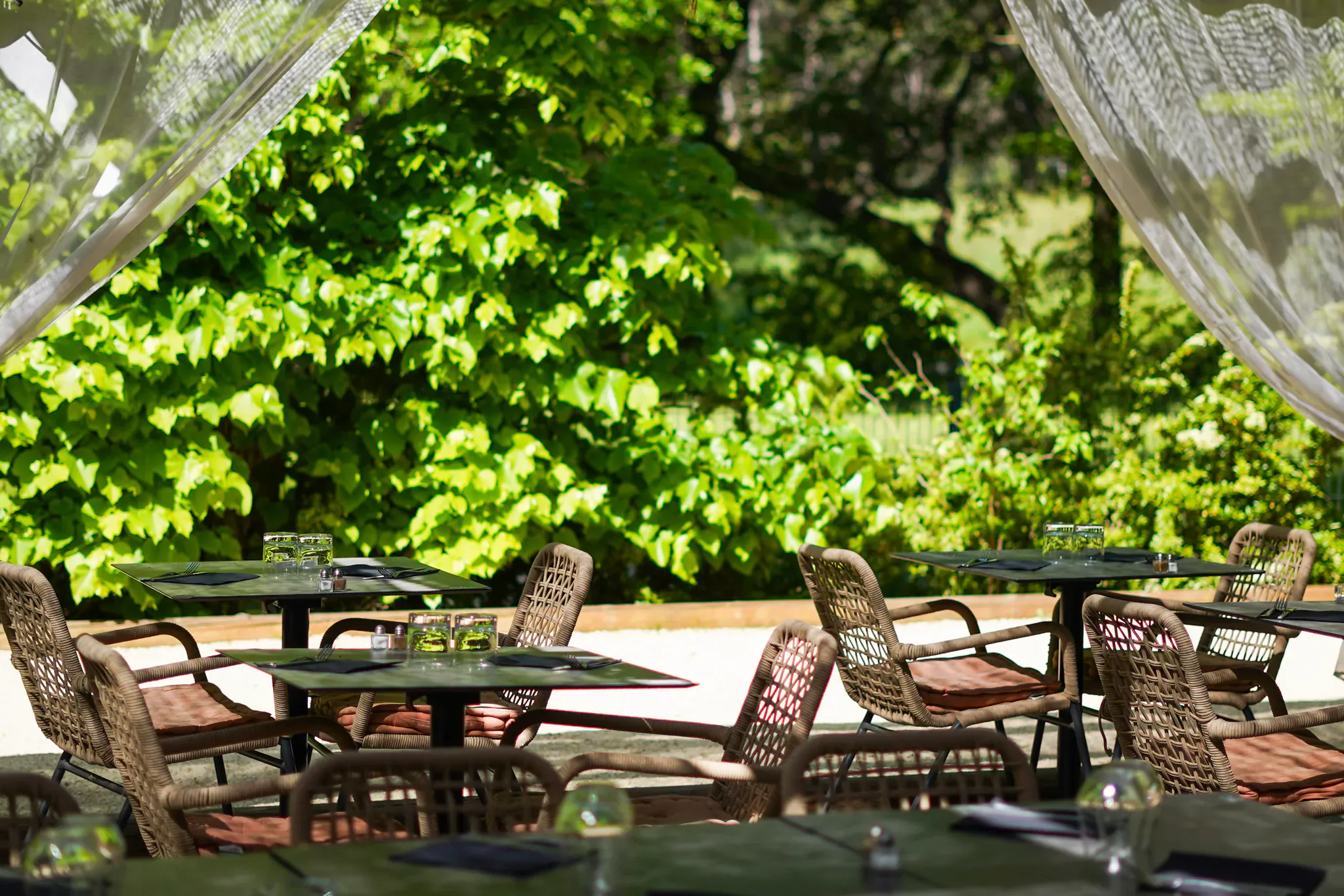
In Vitrolles, at the foot of the Cabrières gorges, one brasserie makes this a daily habit: 100% homemade cooking, Mediterranean accents and a large sunny terrace. The best way to recognise real Provençal cooking is, after all, to sit down to it.
FAQ
Your questions about Provençal cuisine
What's the difference between daube and bœuf bourguignon?+
Both are red-wine beef stews, but the daube is Provençal (olive oil, orange zest, garrigue herbs, a touch of tomato) while the bourguignon uses butter, bacon, mushrooms and Burgundy wine — one sunny and fragrant, the other rich and woodland.
What really defines Provençal cuisine?+
A Mediterranean cuisine built on olive oil rather than butter, garrigue herbs, garlic, tomato and sun vegetables. Long modest, it values fresh, seasonal produce over rich ingredients — a spirit as much as a set of recipes.
How do you know if a dish is homemade at a restaurant?+
Check the menu: short, changing, with daily specials is a good sign. On the plate look for honest irregularity; uniform textures, glossy sauces and perfectly calibrated portions often reveal the industrial. Seasonality is the best clue.
Which Provençal dishes by season?+
Spring: artichokes and asparagus. Summer: ratatouille, petits farcis and grilled fish. Autumn: daube, squash and mushrooms. Winter: soups, salt cod, aïoli and the thirteen Christmas desserts.
Where do the thirteen Christmas desserts come from?+
Served on Christmas Eve, they symbolise Christ and the twelve apostles: the 'four beggars', two nougats, olive-oil fougasse and seasonal fruit. The mix varies by family — a sharing ritual more than a recipe.
What exactly is bouillabaisse?+
The Marseille fish soup, born from cooking unsold rockfish. The real recipe combines several fish, a saffron broth and rouille, served in two stages: the broth with croutons, then the fish.
Is Provençal cuisine necessarily vegetarian?+
No, but it is very plant-forward — vegetables, olive oil and herbs are central, making it easy to enjoy without meat (ratatouille, stuffed vegetables, tians). It also has great slow-cooked meat and a whole fish culture.
Going further
Tasting Provence, homemade
Want to move from theory to the plate? See how this sun-filled, 100% homemade cooking comes to life every day at the brasserie le millesime vitrolles: seasonal produce, Mediterranean accents and a terrace at the foot of the Cabrières gorges.
Also worth exploring