Consumer guide · Homemade restaurant label
« Fait maison » in restaurants: what the label really guarantees, and how to check it with 6 clues
11 min read
In short
« Fait maison » (homemade) is a legal French label created in 2014 and revised in 2015: a homemade dish is prepared on site from raw products, with a short list of permitted exceptions. The saucepan-and-roof logo is voluntary, so its absence proves nothing, but misuse is a deceptive practice checked by the DGCCRF. Six clues help you check for yourself: a short menu, seasonal dishes, non-standard desserts, consistent pricing, staff who can explain recipes and reviews about taste.
The issue
Why everyone claims « homemade »
The word « homemade » appears on almost every menu, yet many dishes arrive frozen or vacuum-packed.
Industrial products are not forbidden; the problem is presenting them as cooked on site.
This guide explains the rule and how to check it yourself.
The legal framework
What does the law say about « fait maison »?
The label has a legal definition, decree-listed exceptions and an official logo.
01
The 2014 decree and its 2015 revision
A homemade dish is prepared on site from raw products, as defined by the 2014 consumer law and its decrees.
02
Raw products and permitted exceptions
Raw products may be chilled, frozen or cut; cheeses, cured meats, raw puff pastry and stocks are permitted exceptions.
03
The logo: a voluntary scheme
The saucepan-and-roof logo is optional, so many good restaurants do not display it.
04
Penalties and DGCCRF checks
Misuse is a deceptive commercial practice, checked by the DGCCRF through targeted campaigns and consumer reports.
Labels
Homemade, « cooked on site », « Maître Restaurateur »: don't confuse them
Only « fait maison » has a precise legal definition, dish by dish.
Comparison of labels
| Label | Who governs it | Guarantees | Does not guarantee |
|---|---|---|---|
| « Fait maison » (logo) | The law, DGCCRF | Prepared on site from raw products | Local sourcing or quality |
| « Maître Restaurateur » | State title after audit | Mostly on-site cooking | Every single dish homemade |
For a broader checklist, see how to choose a brasserie.
Limits
The blind spots of the scheme
The label describes a method, not a level of quality.
Method, not quality
A homemade dish can still be average; the label says nothing about sourcing.
A rare logo
Being voluntary, the logo is seldom displayed, while the vague word « maison » thrives.
Checklist
6 clues to spot a genuine homemade restaurant
No single clue is enough; it is their accumulation that counts.
01
A short menu and a changing daily special
Cooking from raw products limits the number of dishes.
02
Seasonal dishes
In Provence, the season shows on the plate.
That is the spirit of homemade Provençal specialities.
03
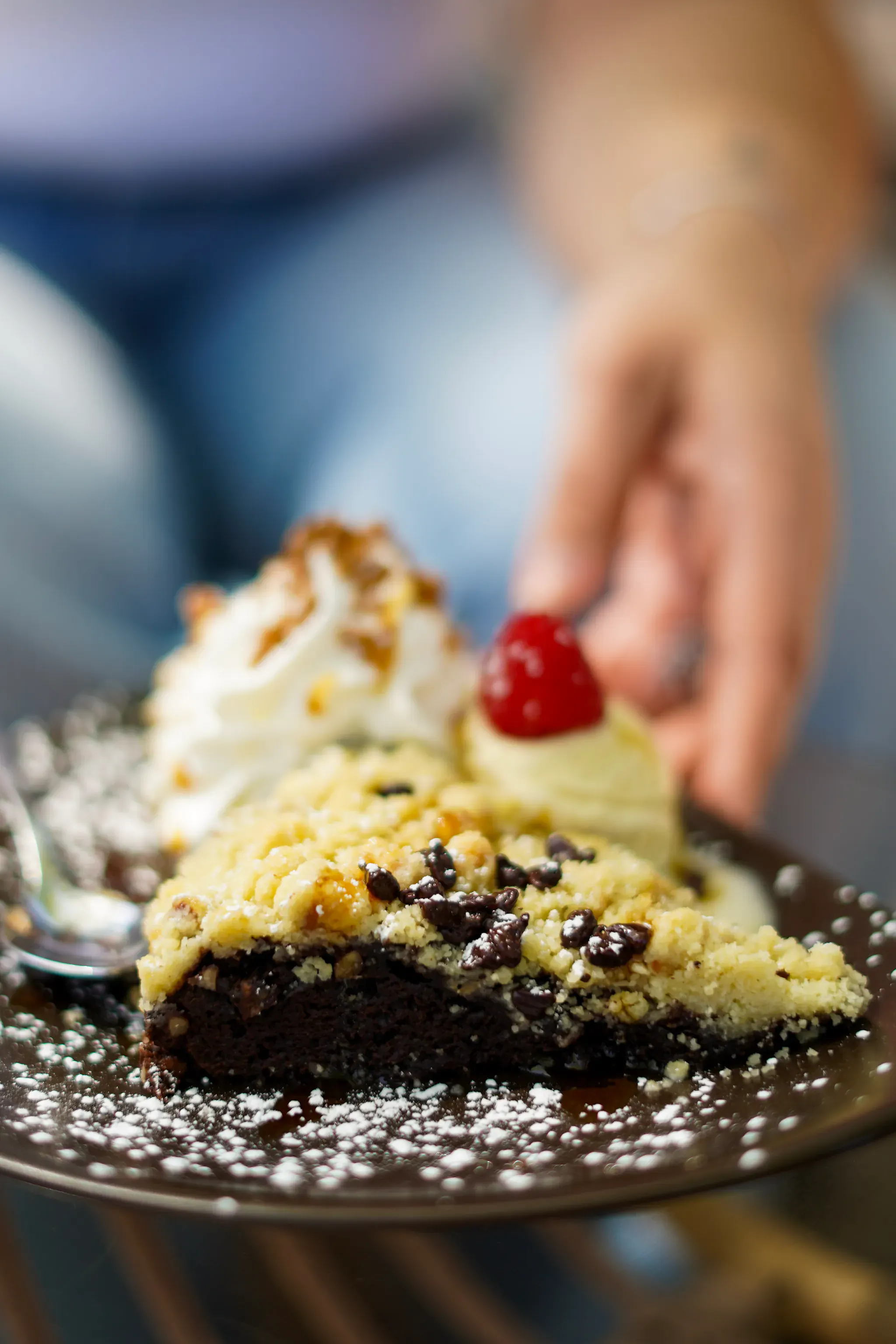
Desserts that don't look catalogue-made
Homemade desserts have irregularities and change with the seasons.
04
Consistent pricing
An abnormally cheap meal rarely covers the cost of fresh cooking.
05
Staff can explain the recipe
Ask how the sauce is made: the answer is telling.
06
Reviews about taste and consistency
Reviews describing flavours signal an identifiable cuisine.
Worth it
Why homemade costs more… and why it pays off
Fresh cooking takes skilled time and involves waste.
In return, you gain on three fronts.
Freshness — Textures and flavours are preserved.
Known allergens — The kitchen knows every ingredient.
Adjustments — A dish can be adapted on request.
Real example
How a Vitrolles brasserie runs a 100% homemade kitchen
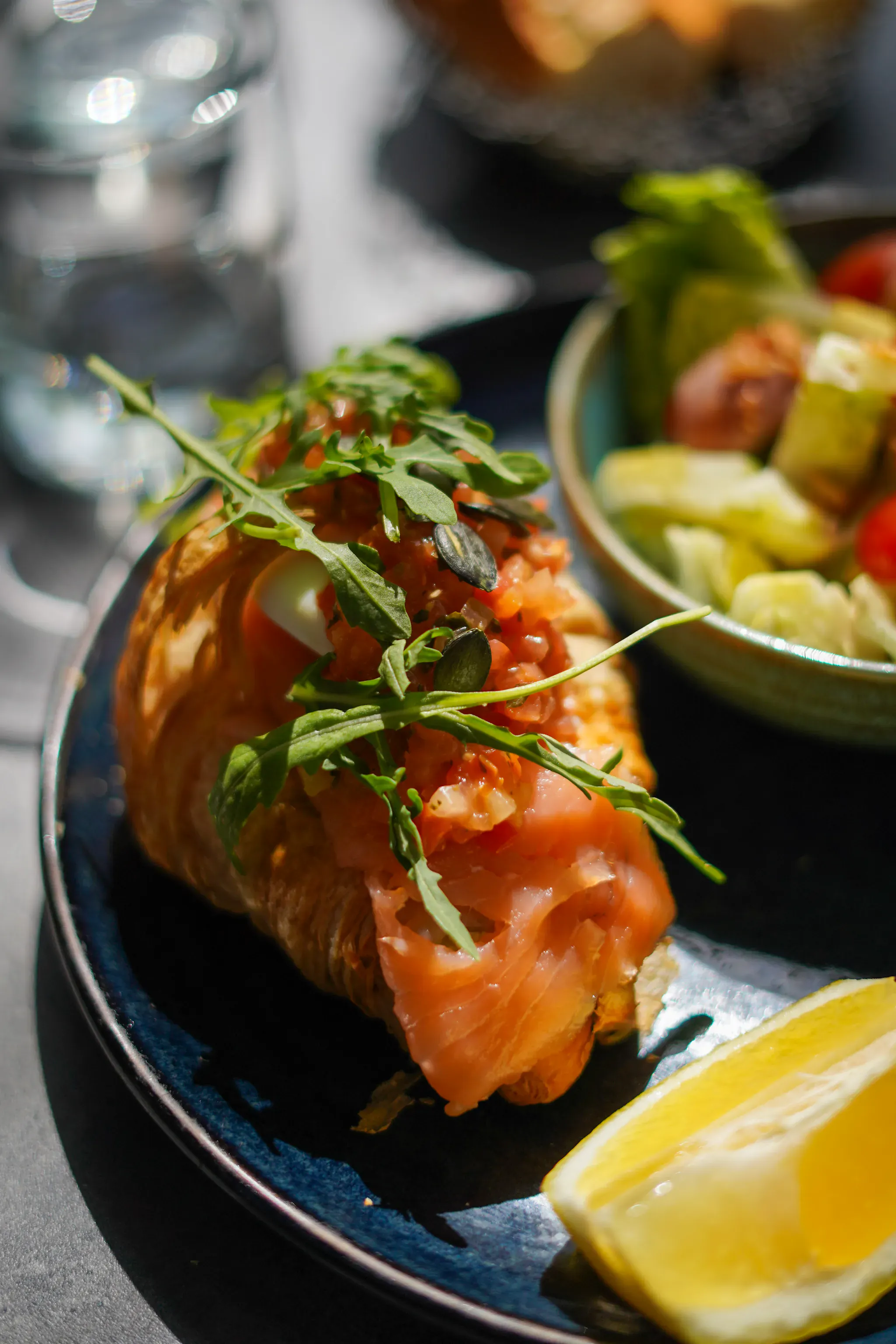
Le Millésime, in Vitrolles, prepares everything on site from fresh products.
Matured meats, fish depending on the catch, a changing daily special and homemade desserts.
Lunch is served 12pm-3pm on weekdays, dinner on Friday evenings only.
Learn more about our homemade brasserie in Vitrolles or discover the menu.
Compare with our selection of the best restaurants in Vitrolles.
FAQ
Your questions about homemade
Can a restaurant say « homemade » without the logo?+
Yes, the logo is voluntary, but misleading use of the word remains a deceptive practice.
Are frozen fries allowed?+
No, industrial frozen fries are not raw products.
Is homemade mandatory?+
No, but anyone claiming it must follow the legal definition.
How do I report an abuse?+
Use the public SignalConso platform, which forwards reports to the DGCCRF.
Can a homemade dish be prepared the day before?+
Yes, the rule concerns place and raw products, not timing.
Is homemade better for allergies?+
It helps, as the kitchen knows each ingredient; always mention your allergy.
Come and taste
Try our homemade daily special
Lunch 12pm-3pm on weekdays, dinner on Friday evenings.
Going further
Homemade, brasserie-style
Discover our brasserie vitrolles page: fresh produce, daily special and homemade desserts.
Also worth exploring